


Avoiding the "Frozen Coil" Nightmare
Is your AC a block of ice? Learn why coils freeze up in the Florida summer and how to thaw them without breaking your system.
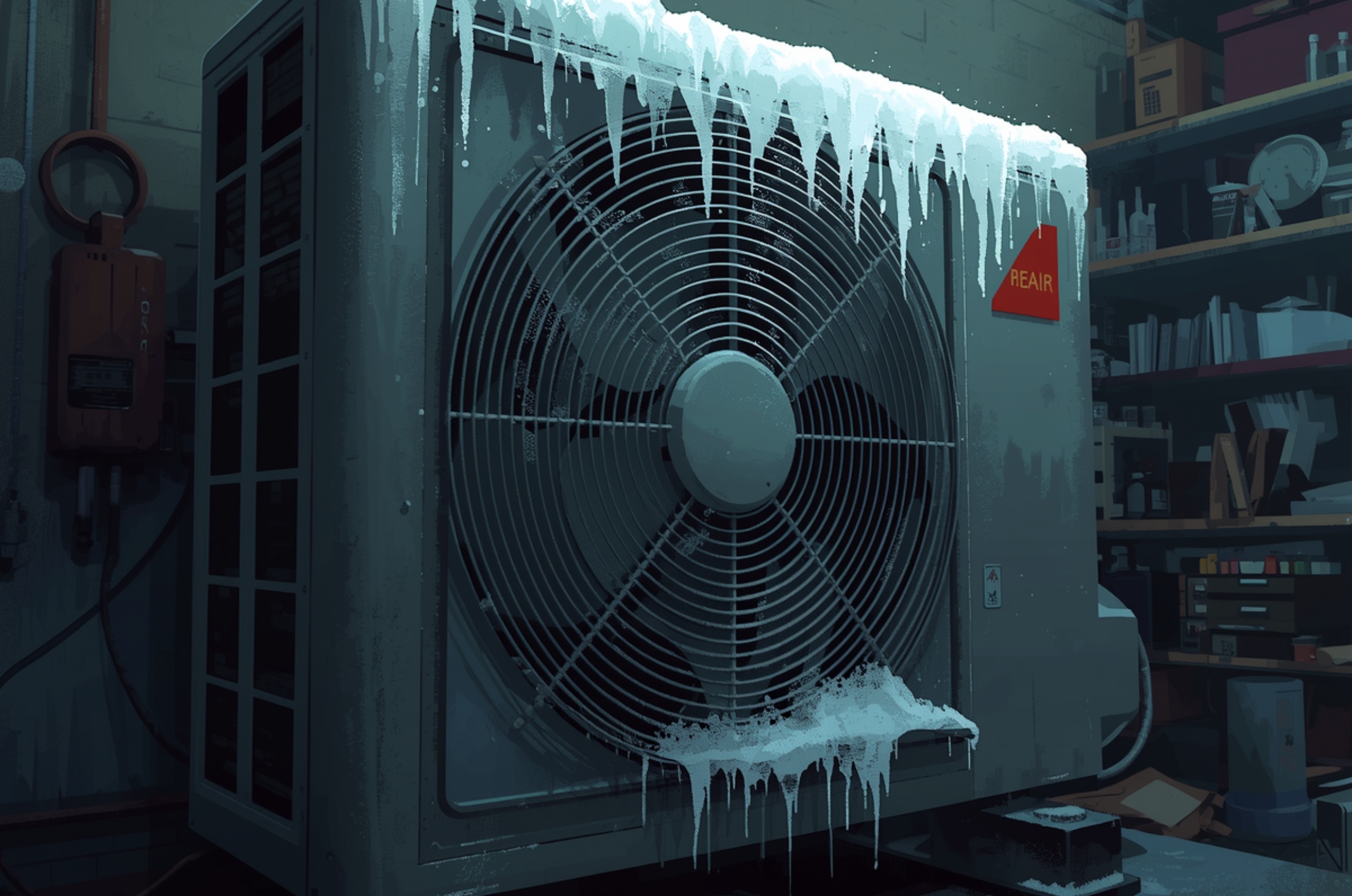
It seems counterintuitive: how can a machine designed to cool your home in the sweltering South Florida heat turn into a block of ice? Yet, in the peak of summer, "frozen coils" are one of the most common emergency calls we receive. When your system runs 24/7 to keep up with the humidity, even a small efficiency issue can cause the evaporator coil to drop below freezing, turning condensation into solid ice and bringing your comfort to a grinding halt.
Why It Happens: The Science of the Freeze
Your AC works by blowing warm indoor air over a cold evaporator coil. If the balance between airflow and refrigerant temperature is disrupted, the coil gets too cold.
Restricted Airflow: This is the #1 culprit. If air can't move across the coil, there isn't enough heat to keep the condensation from freezing. This is usually caused by a heavily "loaded" (dirty) air filter or blocked return vents.
Low Refrigerant Levels: It sounds backwards, but less refrigerant actually causes the remaining gas to expand more and drop to a much lower temperature, quickly dipping below the freezing point.
Dirty Coils: Layers of dust on the coil act as an insulator, preventing the refrigerant from absorbing heat efficiently, which leads to ice buildup.
What to Do: Thawing the Unit Safely
If you notice ice on the copper lines outside or a lack of airflow from your vents, stop immediately. Trying to "force" the AC to run while frozen can burn out your blower motor or damage the compressor. Follow these steps:
1. Turn Off the Cooling: Switch your thermostat from "Cool" to "Off."
2. Run the Fan Only: Change your fan setting from "Auto" to "On." This blows warm air over the ice to melt it safely without running the refrigeration cycle.
3. Check the Filter: While it thaws, check your filter. If it's grey or caked in dust, replace it immediately.
4. Wait: Depending on the ice buildup, it may take 2 to 5 hours to fully thaw. Do not use a hair dryer or try to pick the ice off the coils, as you can easily puncture the copper.
Prevention: The "Goldilocks" Filter Rule
Prevention is all about maintaining the perfect balance of airflow. Many homeowners mistakenly buy the highest MERV-rated "allergy" filters available, thinking they are doing a favor for their lungs.
The Technical Trap: High-MERV filters are so dense they can act like a wall, restricting airflow so much that they actually trigger a freeze-up.
The Solution: Use a high-quality pleat that offers a balance—typically a MERV 8 to 11. These catch dust and dander without suffocating your blower motor. Most importantly, change them every 30 to 60 days during the peak Florida summer.
How Koala Coolin Can Help
If your unit freezes up more than once, it’s a sign of a deeper issue like a refrigerant leak or a failing blower motor. At Koala Coolin, we don't just melt the ice; we find out why it formed. Our technicians check your system’s static pressure and refrigerant charge to ensure your unit is balanced for the long haul.
Don't let a frozen coil ruin your summer. Contact Koala Coolin for a pro-active maintenance check and keep your airflow moving!
.jpg)
.jpg)
.jpg)